Emily’s Philosophy
Work is worth more when the systems behind it are built for people
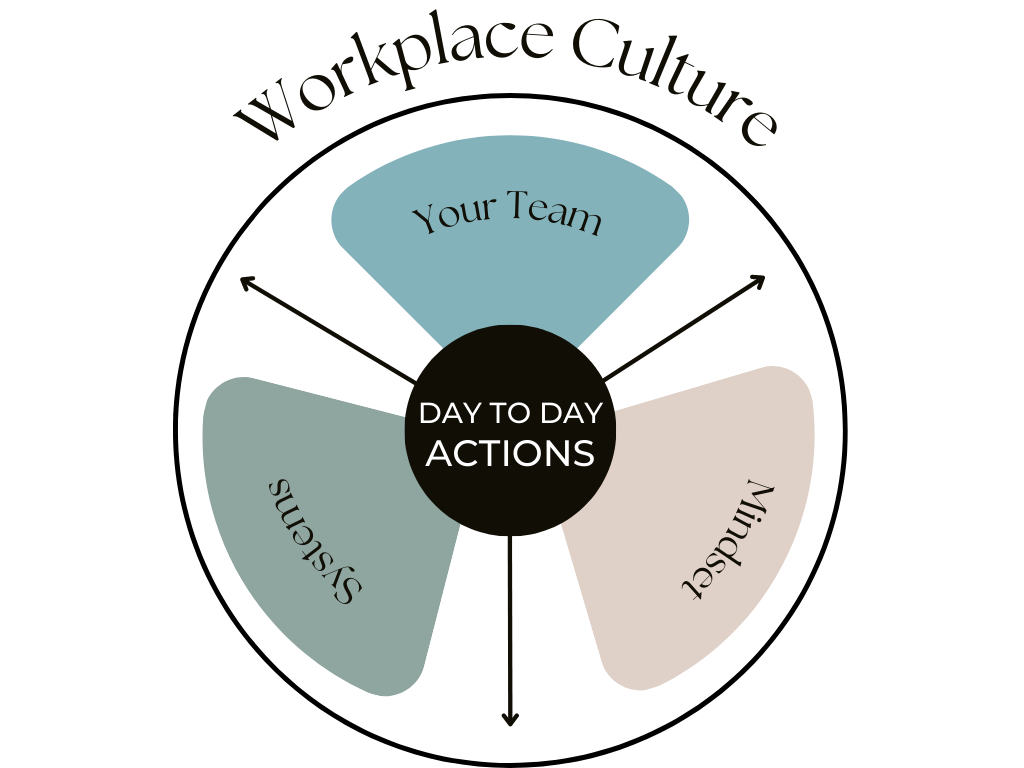
I believed this enough to build the systems to prove it. I developed my own leadership frameworks and a full library of operating tools from the ground up: the LEAD model (Listen actively, Enlist the best minds, Allow autonomy, Delegate to stay in your zone of genius), a Culture Triad that moves a leader from mindset, to operational foundation, to building a team, and the practical pieces that make those models usable, including SOP templates, meeting agendas, hiring and onboarding systems, compensation structures, and team review processes. This body of work became the foundation for a 14-lesson leadership curriculum, but the part I care about is what sits underneath it: turning a philosophy of how people should be led into concrete, repeatable systems.
Why I built the framework
I have always been drawn to the question of what makes a workplace genuinely work: not just run, but support the people inside it. That interest grew into something I wanted to study seriously. Over about a year, while working part-time and earning my CAPM certification, I read widely, completed six courses on leadership and online business, and dug into organizational psychology, looking for the throughlines in how strong teams are built and led. What stood out is that leaders often have every intention of supporting their people but are rarely handed the practical systems to do it well. So I set out to build those tools, grounding them in the operations experience I had developed in more traditional settings and starting with the online small business world I knew best.
Underneath all of it is a simple belief about the worth of work. Work should add to our lives, not consume them. It should let people do their best, most creative work and still pick their kid up from school. It should treat the bottom line as one priority among several, not the one thing every other priority bends around. As work keeps changing, and AI keeps accelerating it, the question of what work is actually worth only gets more urgent. That is the work I care about: employee experience, the back-end service design that quietly shapes it, and the worth of the work itself.
How it shows up in all my work
The right structure, not more of it
Structure should reduce cognitive load, not add control. The best system is the one people barely notice, because it fits how they already work. When I build, I start by watching how a team actually operates, where work really flows and where it stalls, and I design around that reality instead of imposing a process on top of it. That is why I rebuild a tool to match a team's natural rhythm rather than asking the team to contort around the tool. Done well, structure becomes something that frees people instead of boxing them in.
Operations are an act of care
How an organization treats people's time and energy shows up in its systems. Leaders set the emotional tone of a team, and the workflows, onboarding, and documentation they put in place either reduce stress or quietly manufacture it. A clear onboarding path tells a new hire they belong; the absence of one tells them they are on their own. I build operations that lower the temperature: predictable handoffs, visible expectations, and structures that let leaders step out of constant firefighting while their people feel supported enough to do their best work. Support is not a sentiment, it is something you either build into the system or leave out of it.
Turn scattered knowledge into a shared source of truth
So much of what a team needs to function lives in people's heads, old messages, and scattered tools, which means it walks out the door the moment someone is busy, out, or gone. I take that knowledge and make it accessible, documented, and reliable: one place a team can trust, so no one is guessing, leadership stops repeating itself, and good practice does not depend on who happens to be in the room. It is how an organization keeps its hard-won knowledge and keeps growing without losing what made it work in the first place.
The throughline
Whether it is an SOP library, an onboarding system, or a leadership curriculum, the work is the same: I build structures that help people focus on what matters.